January 23, 2026
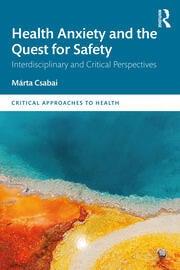
A new book review by Judit Sándor discusses Márta Csabai’s latest book, offering critical insights into its key arguments and contributions:
Márta Csabai’s Health Anxiety and the Quest for Safety is an excellent multidisciplinary overview of how various psychological, social, cultural, and economic factors contribute to the perception of health risks in our present world. From dealing with external stigma to exercising self-monitoring, the author analyzed numerous practices that shape people’s lifestyle and health choices. While the digitalization of health information provides an unprecedented amount of health data and opportunities for more nuanced analysis, it may also increase anxiety. Csabai’s work provides insights into how people respond to uncertainty and perceived threats to their body and health in the ‘age of anxiety’.
The book explores psychological mechanisms that shape people’s attitudes towards illness, such as self-blaming, victim blaming, posttraumatic development, trust, and external expectations. Body image and its conformity have become increasingly valued in the visual culture of our time. Often, people try to meet unrealistic expectations, to influence even the uninfluenceable. The current biomedical science also promotes the increasing demands related to the body, health, and wellness by offering personalized treatment, monitoring, and even gene-based interventions.
Csabai explores how various institutions, and the media amplify perceived health risks and how “safety” becomes commodified via public health messaging, consumer safety products, or self-monitoring devices.
Márta Csabai examines also body positivity that can be empowering yet sometimes co-opted by marketized wellness or produce new anxieties as these provide conflicted messaging about weight, fitness, or appearance.
In the conclusion, the author offers some methods for liberating the anxious body.
Health Anxiety and the Quest for Safety is written in a clear and enjoyable style that makes the book accessible for the wider public, as well.
Judit Sandor, Professor, Central European University, Vienna